Early Childhood Accomplishments
Learn more about our 2025 early childhood accomplishments.

2025 asked more of all of us than any year in recent memory. Beyond headlines, federal and state instability showed up as daily obstacles in early childhood programs, K-12 classrooms, college campuses, and homeless and housing services.
For many of you, it meant doing even more with even less – navigating uncertainty while trying to offer stability to babies, children, youth, and families whose circumstances were already precarious.
And yet, because of your persistence and partnership, remarkable things happened. Together, we protected a life-saving federal program for homeless students that many assumed would be lost; we helped pass and implement state laws that remove significant barriers; we provided hands-on help to early care, education, and service providers so that more children and youth were identified and supported; and we walked alongside 72 young people themselves as they navigated college, work, and life.
This work had tangible, real impacts: a baby receiving developmental services; an elementary school student getting to school safely each and every day; a high school student graduating and completing the FAFSA; an SHC scholar having what they need to stay enrolled in a postsecondary program on their way to a more secure and self-determined future.
Our 2025 “Year in Review” is our way of pausing to recognize these accomplishments. You’ll see highlights organized by area – early childhood, preK-12, higher education, federal and state policy, youth leadership and scholarship, and strategic communications – so you can easily find the work that’s closest to your role, your community, or your interests. And while you won’t see a separate section for research and evaluation just yet, we’re excited to lay the groundwork for it with the recent addition of a senior research scientist on our team to inform policy and practice.
As you read these pages, we hope you see your own work reflected, find ideas you can adapt, and feel the strength of a community that is bigger than any single school district, early childhood program, campus, agency, or organization.
Most of all, we want you to know how deeply we value the trust you place in us. SchoolHouse Connection strives to be a reliable partner – steady when the policy landscape is not, candid about both risks and opportunities, and relentlessly focused on practical strategies to remove barriers to early care and education.
As we approach our 10th year, we thank you for your partnership and invite you into the next chapter of shared work grounded in the belief that homelessness can be prevented and overcome, and that every child and youth can grow, learn, and thrive.
– Your SchoolHouse Connection Team
P/S If you’d like to help us sustain this work, we invite you to make a donation to SchoolHouse Connection.
Learn more about our 2025 early childhood accomplishments.

Learn more about our 2025 PreK-12 accomplishments.

Learn more about our 2025 higher education accomplishments.

Learn more about our 2025 federal policy accomplishments.

Learn more about our 2025 state policy accomplishments.

Learn more about our 2025 youth leadership and scholarship accomplishments.

Learn more about our 2025 communications accomplishments.


The first years of life, from birth through age eight, lay the foundation for all future learning and development. Yet homelessness disrupts this period, jeopardizing healthy growth, learning, and social-emotional development.
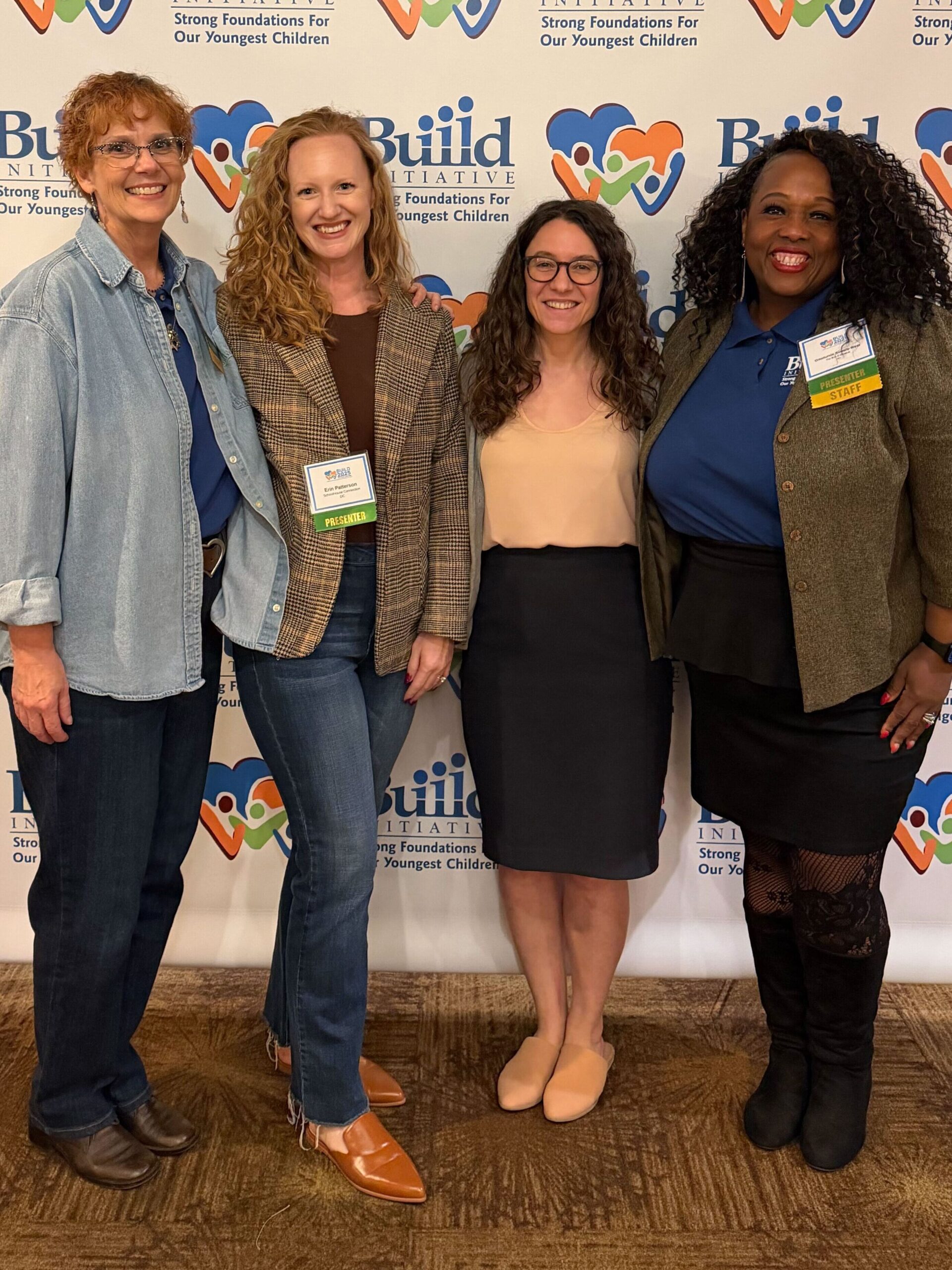
This year, we launched the first-ever national Family Shelter Community of Practice, a two-year initiative bringing together shelter providers from 12 states to strengthen how family shelters support young children experiencing homelessness. Funded by the Bezos Family Foundation, this project is creating a peer-learning network, co-developing tools and frameworks for child development and stability, and elevating promising practices nationwide. It’s a major step toward ensuring that all infants, toddlers, and preschoolers in shelter settings receive the developmental support and care they need to thrive.
In 2025, we launched BEACON (Building Early Access, Care, and Opportunities Nationwide), a two-year national initiative funded by the Bezos Family Foundation to strengthen support for young children experiencing homelessness. BEACON puts practical tools and training directly into the hands of early childhood, housing, shelter, health care, and education providers, using a co-creation model where pilot sites test resources, provide feedback, and shape the final products. The project includes a national needs assessment, piloting phases, and nationwide dissemination through webinars, implementation guides, and a new early childhood homelessness provider hub.
In 2023, SchoolHouse Connection served as a lead partner in an ambitious effort to shift the national narrative on infant and toddler homelessness. The goal of this project was to help the early childhood development and housing sectors see where their work intersects—and how collaboration can dramatically improve outcomes for infants and toddlers experiencing homelessness.
After two years of development, the initiative publicly launched as Thrive from the Start—a long-term, national network led by SchoolHouse Connection, ZERO TO THREE, Prevent Child Abuse America, and Housing Is. Together, these organizations are building a coordinated, holistic support system to ensure that all expectant parents, infants, toddlers, and their families have the resources and opportunities to thrive.
SchoolHouse Connection has primary responsibility for coordinating the initiative’s federal policy agenda, as well as serving as a lead technical assistance partner to states.

In this article, The 74 examines the sharp rise in family homelessness, especially among infants, toddlers, and preschool-age children. The piece draws on multiple data sources to show how housing instability harms early development, education, and long-term well-being. SchoolHouse Connection’s executive director, Barbara Duffield, underscores the urgency, noting that “more young kids are experiencing homelessness” and emphasizing that the youngest children are too often overlooked in federal counts and homeless services.

Homelessness creates barriers to learning that can result in unnecessary school moves, missed classes, falling grades, and higher dropout rates. Yet education is key to breaking the cycle of homelessness: completing high school or earning a GED is the single greatest risk factor for homelessness as a young adult.
We launched the next phase of our attendance initiative, building on previous pilots to help school districts implement evidence-based strategies that reduce chronic absenteeism and re-engage students experiencing homelessness. We partnered with Attendance Works to reach thousands of practitioners across attendance and homeless education, and supported five school districts through a community of practice focused on attendance, mentorships, and peer support.
As pandemic-era funds expired, we equipped school districts and states to sustain support for students experiencing homelessness by leveraging other federal funds, and in particular, Title I, Part A homeless set-asides. Our new Title I action guide reached thousands of educators, helping maintain continuity of services, braid funding sources, spotlight exemplary school districts, and assist states to improve their oversight and support.
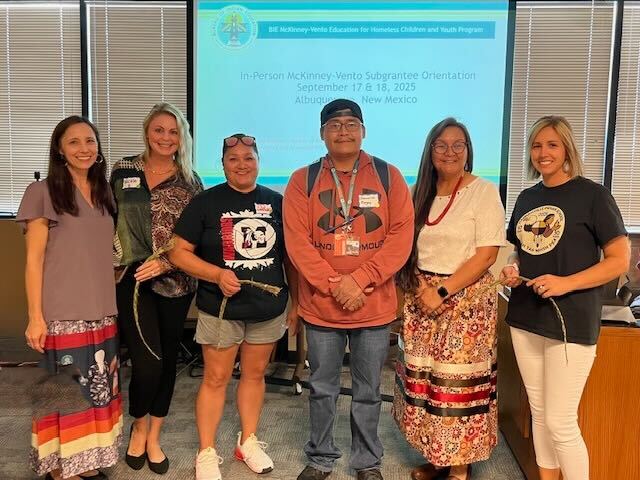
In partnership with the Bureau of Indian Education (BIE), we equipped schools across Indian Country to better identify and support Native students experiencing homelessness through year-round professional development, intensive conferences, targeted technical assistance, and practical tools for data use and braiding funding. As a result, more BIE schools designated liaisons, deepened partnerships with public schools, and began using data and federal resources more strategically to connect Native children and youth experiencing homelessness with the education and support they deserve.
Through nine national webinars and multiple state and regional conference sessions, we reached tens of thousands of educators with practical, policy-grounded training designed to improve outcomes for students experiencing homelessness. This included leading statewide conferences for four state education agencies, local conferences for eight LEAs, a national BIE conference, as well as presenting at additional state and national convenings across the country. We provided practical assistance to six states and five LEAs on topics ranging from natural disaster response to implementing McKinney-Vento in charter schools.
In 2025, we delivered hands-on support to the field at scale. We produced 10 new resources, answered 800+ real-world questions from educators, youth, and families, and hosted 13 tailored peer sessions for state coordinators.

Education beyond high school is increasingly necessary to earn a living wage and achieve stability in adulthood. Yet youth who experience homelessness face distinct barriers to accessing financial aid and the campus support needed to complete a postsecondary degree or credential.
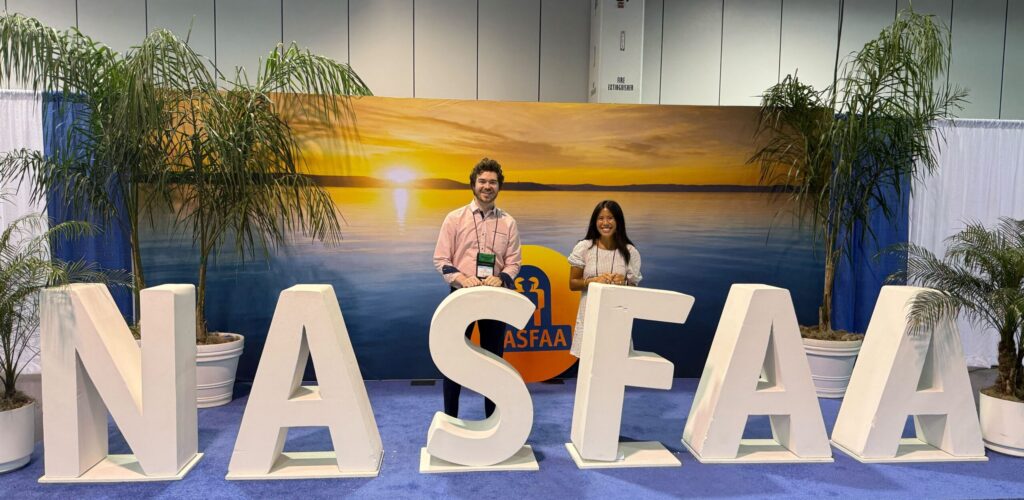
Recognizing that financial aid offices are instrumental to access and persistence, we deepened relationships with state, regional, and national financial aid associations and brought a homelessness lens into their core training agendas. By partnering with these associations – including NASFAA and multiple state associations – we equipped thousands of financial aid professionals to make homelessness determinations with confidence and remove unnecessary administrative barriers that too often block students from accessing the aid they need to pursue postsecondary education.
We continued our partnership with SUNY and Pearl Strategies to help campuses move toward sustainable systems that support students experiencing homelessness year-round. Through professional development for SUNY liaisons, gap analyses focused on housing during academic breaks, and hands-on work with individual campuses, we helped institutions strengthen their basic needs infrastructure so students can stay focused on learning.
To ensure that campus-level change is not isolated, we sustained and grew our national learning network of higher education homeless liaisons into its third year, bringing together over 100 liaisons from across the country. This community of practice gave new and experienced liaisons a space to share strategies, troubleshoot barriers around FAFSA and basic needs, and align efforts, resulting in more consistent, informed support for students experiencing homelessness across diverse institutions and states.

In this article, The Hechinger Report examines how colleges are turning to short-term, stopgap solutions like safe parking programs, hotel partnerships, and napping pods to support students experiencing homelessness while longer-term housing efforts remain out of reach. These emergency options offer safety and stability but also highlight the broader systemic gaps facing students without housing. SHC’s Jillian Sitjar emphasized that student homelessness is “not just a California thing,” pointing to a national housing shortage, restrictive program rules, and rising college costs that leave many students without viable options.

In one of the most volatile federal policy years in recent memory, SHC’s advocacy preserved core educational protections for students experiencing homelessness, kept the field informed and engaged instead of paralyzed, and pushed forward legislative solutions to improve access to early care, education, and housing in the years ahead. Our relationships and grounded, bipartisan approach helped keep the promise of public education alive for homeless children and youth – and positioned our national network to meet the next wave of federal challenges with clarity and collective strength.
SHC’s advocacy protected the Education for Homeless Children and Youth (EHCY) program from elimination and ensured $129 million in FY2025 funds were released on time. We identified and prepared over 100 homeless liaisons in strategically important school districts – many of whom had never engaged in advocacy before – to share local data and student stories with Congressional staff, many of whom had never heard of EHCY or even realized that K12 students experience homelessness. By emphasizing basic access to school, student outcomes, efficient use of public funds, and resilience in disasters, we helped policymakers understand that the EHCY program is effective. The result: 1.5 million children and youth experiencing homelessness continue to have access to the safety, stability, and opportunity of public education in the United States.
In a year of rapid-fire policy developments, confusion itself became a barrier to serving students. SHC stepped in as a trusted translator: producing clear policy resources, launching a dedicated federal policy status-updates page, and hosting high-demand webinars that broke down what was proposed, what was enacted, and what it meant for day-to-day work. Educators, state coordinators, and service providers repeatedly told us that SHC was their “rock” in an otherwise dizzying policy landscape, helping them stay focused on student protections rather than rumors or misinformation. Our federal policy communications reached tens of thousands of practitioners with calm, accurate, actionable guidance when it mattered most.
Even while defending core programs, SHC continued to move longer-term policy solutions forward. We helped to advance the Homeless Children and Youth Act (HCYA), which would align HUD’s definition of homelessness with other federal agencies so more families and youth can access housing and shelter. We also continued to build support for the Housing for Homeless Students Act, which amends the Low Income Housing Tax Credit program so that homeless youth don’t have to choose between an education and a place to call home. We laid the groundwork for the re-introduction of the Higher Education Access and Success for Homeless and Foster Youth Act, which creates higher education liaisons for homeless and foster youth and other campus-based supports. And late in 2025, SHC began coordinating the federal policy working group of the Thrive from the Start Campaign to advance federal policy for expectant parents and families with infants and toddlers experiencing homelessness.
We produced a suite of federal policy resources that gave the field clear language, data, and tools for engagement.

In this article, Chalkbeat covers the Trump administration’s proposal to fold McKinney-Vento funding into a smaller education block grant. SHC’s Barbara Duffield was quoted saying that dedicated funding is essential because legal protections alone aren’t enough — schools also need staff who identify homeless students, ensure transportation, and help them stay enrolled.

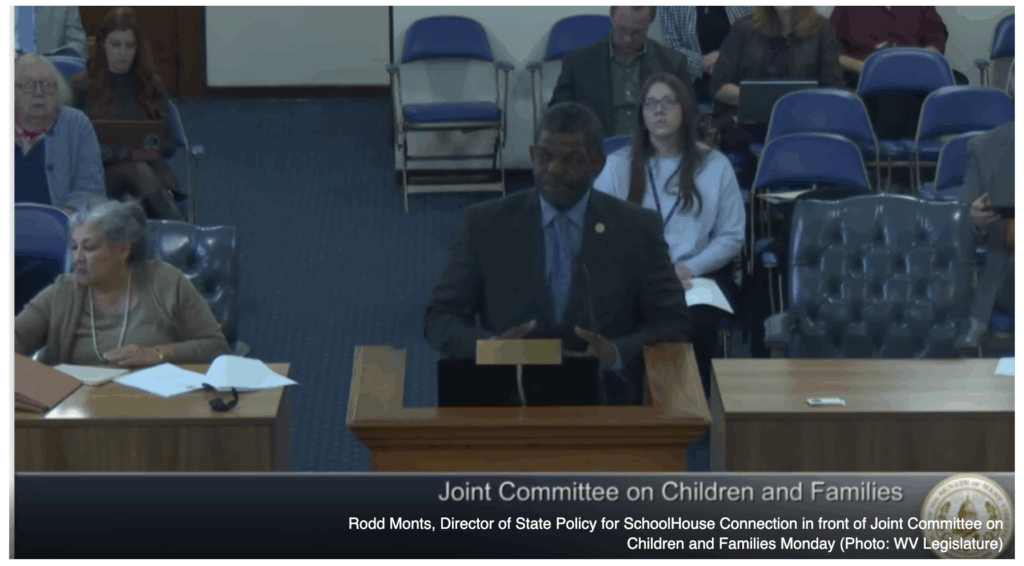
In 2025, SHC’s State Policy team partnered with legislators and advocates in a dozen states to remove state-level barriers to education, housing, health care, employment, and vital documents for children and youth experiencing homelessness. The result: four new state laws in three states and the introduction or advancement of 14 additional proposals– all while laying the groundwork for an even stronger 2026.
Passing laws is only the first step; in 2025 SHC devoted significant effort to ensuring those laws are understood and used to support youth experiencing homelessness.
We used data and cross-state analyses to shape the next wave of reforms.
Across seven states, members of SchoolHouse Connection’s Student Homelessness State Advocacy Network (SHSAN) moved state policy from ideas to action this year. Convened monthly by SHC, this coalition of advocacy organizations advanced reforms to increase transparency in how Title I Part A funds are used; enact a guaranteed payment for attendance pilot to boost school attendance; obtain funding for state technical assistance centers; and improve school-discipline policies. SHSAN member organizations include Building Changes (WA); the Chicago Coalition for the Homeless (IL); EdTrust Midwest (MI); the Homeless Children’s Education Fund (PA); HopePHL (PA); the National Center for Youth Law (CA); New Mexico Appleseed; the Student Advocacy Center (MI); and Texas Appleseed.
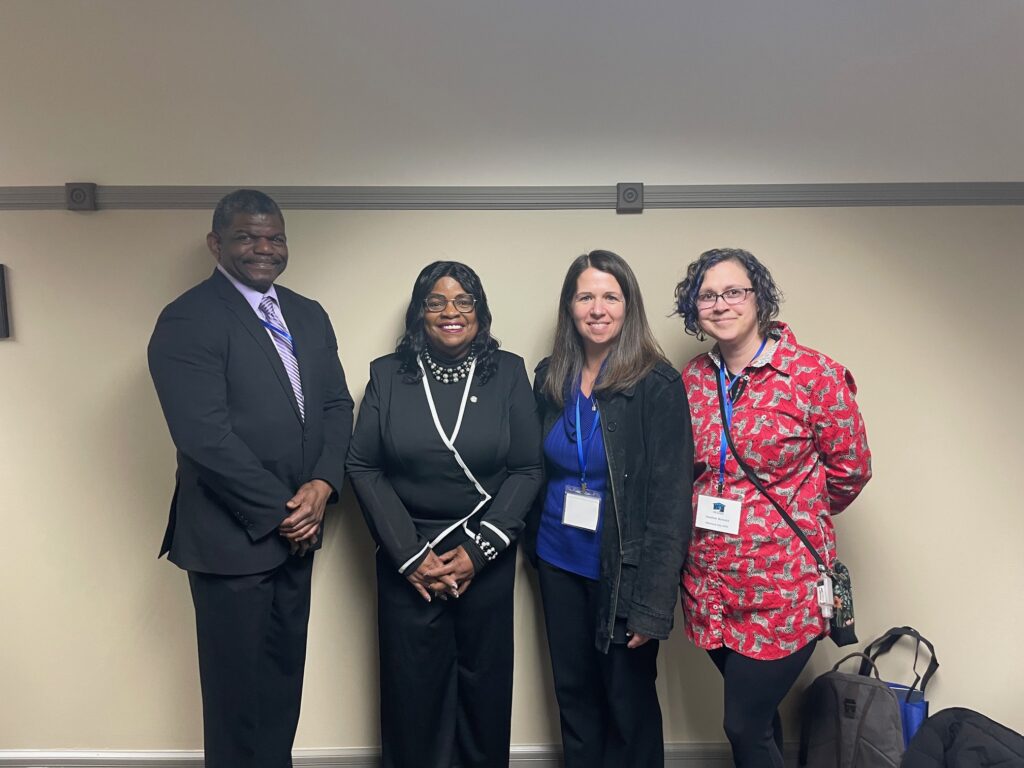

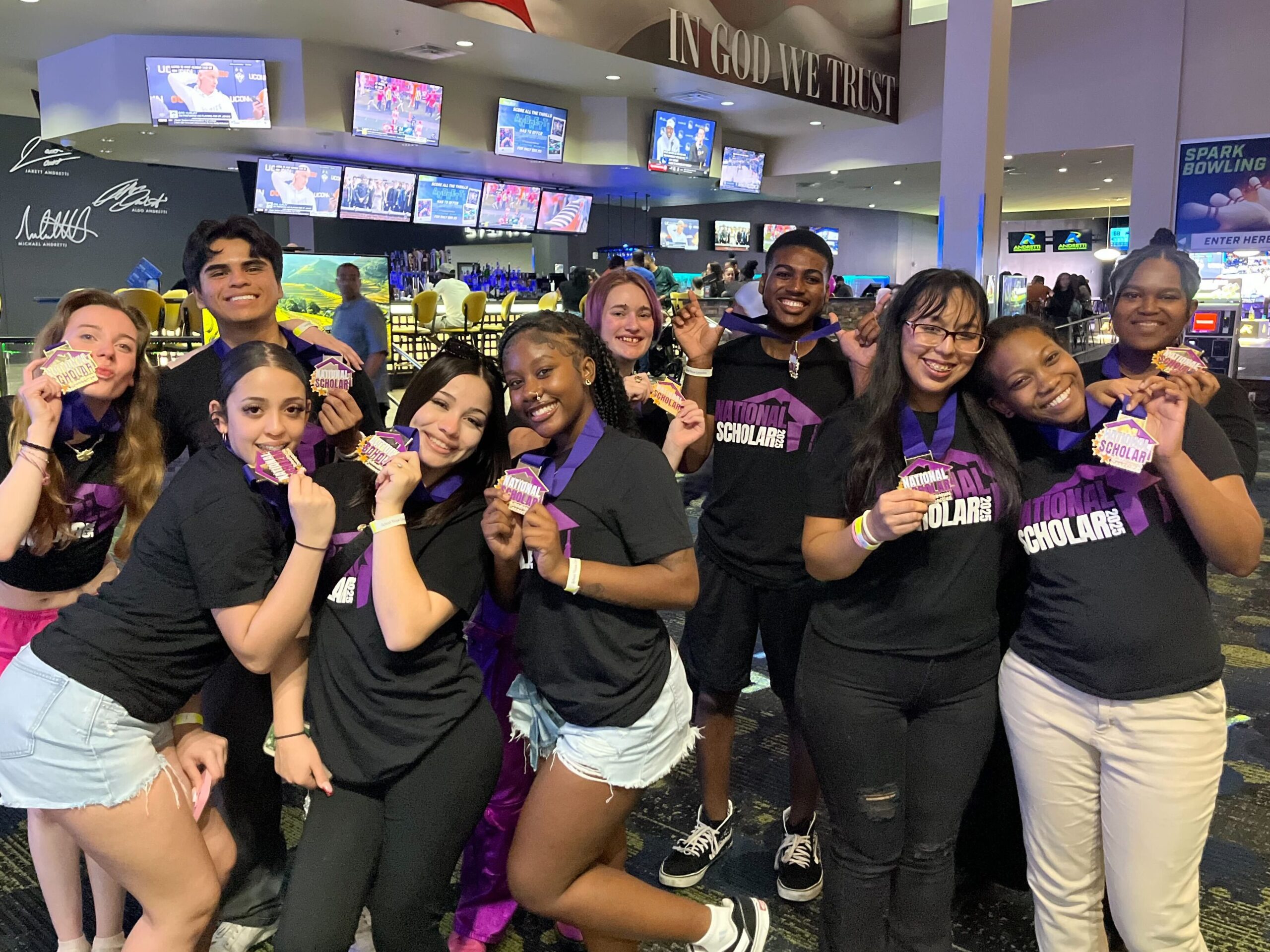
SHC’s Youth Leadership & Scholarship (YLS) program directly supports youth experiencing homelessness by providing financial awards, college completion resources to address emergency needs, personalized one-on-one support for navigating college and life, and a strong, stable network of peer and adult mentors.
In 2025, the program grew to 72 students.
Scholars shared their expertise with practitioners and policymakers in many ways, including speaking to state legislators and serving as faculty at a meeting of the National Conference of State Legislators; sharing insights with higher education professionals who participate in SHC’s National Homeless Higher Education Liaison network; and contributing their voices to to SHC’s Attendance Initiative.

The DC Summit Congressional Briefing was my first experience with advocacy. It was extremely empowering to hear the lived experience of my friends and to share my own. In September, I participated in a convening with a large foundation. That event was even more impactful. Sharing meals with researchers, policy makers, liaisons, and social advocates was surreal. It encouraged me to step into those roles myself and really change the way our systems work. Being around people who have made it their life mission to change the way our society views and assists youth experiencing homelessness made me feel empowered and hopeful for the future. I’m excited for upcoming opportunities to speak and listen in these environments.

SchoolHouse Connection continues to serve as a never-ending blessing to my family and me. We recently moved into a new home and had no furniture. I told Ms. Roshanda on our monthly call without any expectation. But, unexpectedly, the YLS team was able to use college completion funding to provide my family with household necessities and furniture that has truly made our new apartment feel like home. I can’t express how much it meant to me and how much it still means. I’m always in awe when I think about their act of care and compassion. SchoolHouse Connection staff continue to uphold their commitment to bettering the lives of students, homeless or not, when the opportunity presents itself. I’m so honored to be a part of such a wonderful organization. I pray that God continues to bless them abundantly.

Peer support through SHC has provided me with amazing guidance and a sense of community. I gained my best friend and a group of friends who understand and empathize with the struggles that I face, and push me to succeed. I don’t have to walk through college and life alone because of the people I’ve gained through SHC.

One-on-one sessions with SchoolHouse Connection staff, especially my meetings with Roshanda, have become one of the most meaningful parts of my support system. In our Zoom sessions, we talk about scholarships, educational opportunities, and ways to keep pushing forward in school, but it goes way deeper than that. Sometimes, just having someone check in on me or simply ask how my day is going makes me feel appreciated in a way I didn’t even realize I needed. Our meetings feel like a safe space where I can be honest about everything I’m dealing with, whether it’s school stress or life in general. And honestly, the hour we spend together always goes by so fast that we end up laughing most of the time, and for that moment, everything feels lighter. Roshanda is so understanding, warm, and genuine that I always walk away feeling supported, heard, and truly cared for.

In 2025, SchoolHouse Connection made significant progress in strategic communications, expanding our reach, amplifying our voice, and strengthening connections across our network.
SHC’s updates, webinars, and resources reached large audiences:
SchoolHouse Connection launched Youth Experiencing Homelessness On Their Own, a new campaign and resource hub focused on unaccompanied homeless youth. The page helps schools and communities understand who these youth are, why they may be on their own, and how to support them through collaboration across systems. It features district-level data, key definitions, and practical guidance on enrollment, FAFSA verification, and transitions to higher education.
This year, SchoolHouse Connection highlighted how the McKinney-Vento Act’s Education for Homeless Children and Youth (EHCY) program changes lives every day. Stories from West Virginia, Iowa, and Virginia are showing the impact of McKinney-Vento liaisons and educators—helping a student move from living under a bridge to earning a diploma, supporting a family living in tents to restore stability, and standing beside a graduate who lost housing again. Together, these stories are reaching thousands and demonstrating how this program is transforming hardship into hope for students experiencing homelessness.
For the first time, SchoolHouse Connection amplified the voices of state policymakers who drove change for children and youth experiencing homelessness. In new videos, South Dakota Representative Erik Muckey shared how bipartisan collaboration led to the passage of two landmark bills removing barriers to IDs and birth certificates, while Virginia Delegate Adele McClure discussed her efforts to expand access to vital documents for unaccompanied youth. Together, these leaders showed how thoughtful policy and partnership can open doors to opportunity for students in every community.
In 2025, we expanded our national presence through media mentions and features, amplifying our mission in high-visibility outlets. We were mentioned in 38 new stories, including notable features such as:
SchoolHouse Connection responded quickly to moments of uncertainty—creating timely videos that reached thousands of viewers and offered clear guidance during heightened concern around immigration enforcement. From explaining students’ educational rights regardless of immigration status to addressing the potential impact of ICE activity in schools, SHC provided reassurance, practical resources, and trauma-informed strategies for educators and families.